
Investment Strategy Guide
Investment Strategy in Harford County, Maryland
Your investment strategy should reflect your actual goals, time horizon, and tax situation, not a generic model. Our guides cover asset allocationHow you divide your investments among different asset classes — stocks, bonds, real estate, cash — to balance risk and return based on your goals, timeline, and comfort with volatility. Getting your allocation right is one of the most important investment decisions you'll make, and it should shift over time as your life changes., rebalancingThe process of periodically restoring your portfolio to its target asset allocation after market movements cause it to drift. Regular rebalancing enforces a buy-low, sell-high discipline and keeps your risk level aligned with your original plan over time., fund selection, and tax-efficient investingA holistic approach to managing your portfolio that minimizes tax drag — through strategies like tax loss harvesting, asset location, long-term holding, and using tax-advantaged accounts strategically. The goal isn't to avoid risk but to keep more of your returns by being intentional about when and how you realize gains., reviewed by a CFP professional serving Forest Hill and the Baltimore metro area.
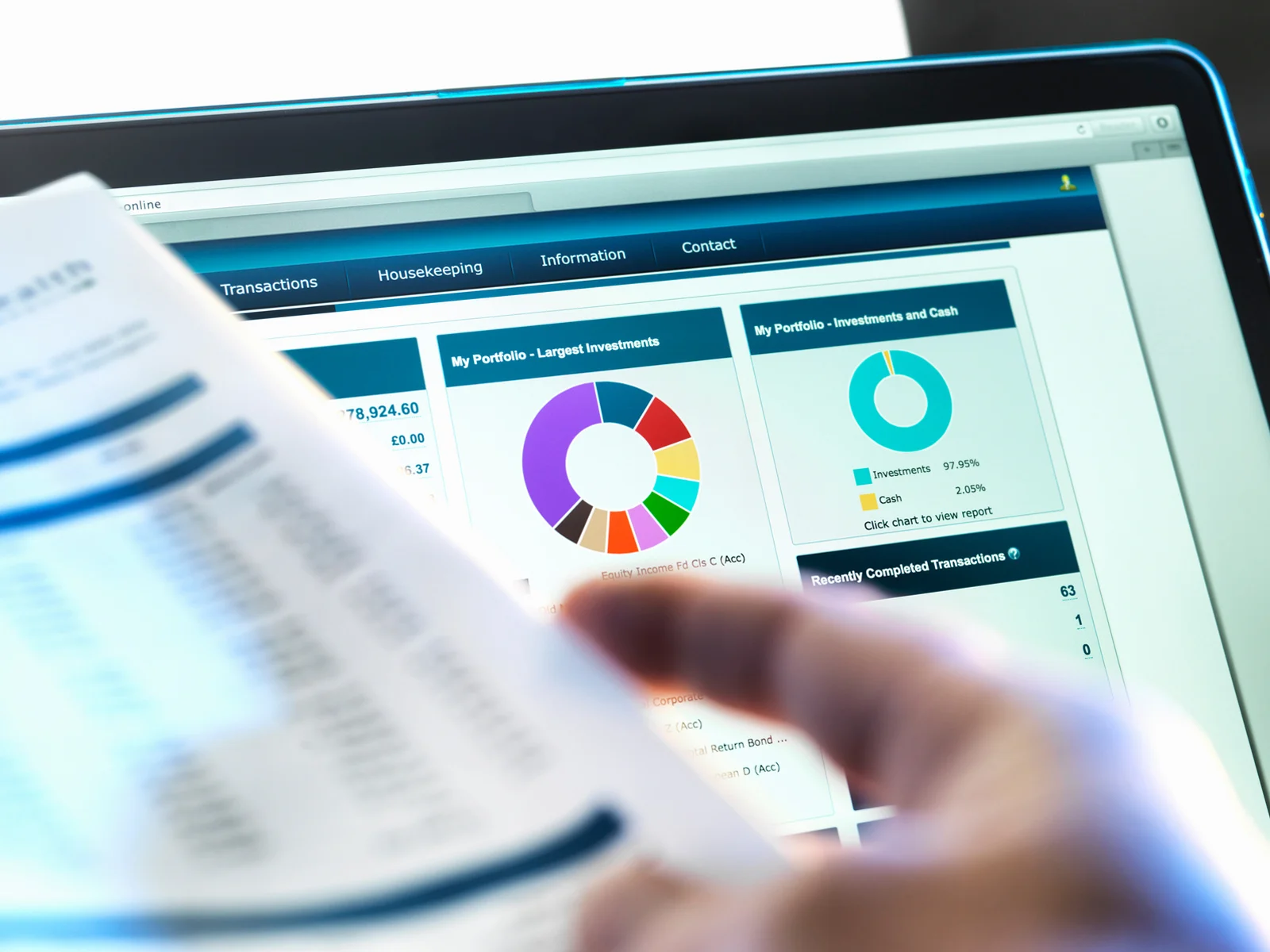
What makes a sound investment strategy, and how should a portfolio be built and managed to match your actual financial goals?
Investment strategy is the framework that governs how a portfolio is constructed, maintained, and adjusted over time to pursue financial goals while managing risk. A sound strategy defines asset allocation across stocks, bonds, and other asset classes, establishes diversificationSpreading investments across multiple asset classes, sectors, and geographies so a loss in one area doesn't devastate your entire portfolio. It's the financial equivalent of not putting all your eggs in one basket — and it's one of the few strategies that can reduce risk without necessarily reducing expected returns. rules, sets rebalancing triggers, determines tax-efficient fund placement, and aligns the portfolio's time horizon and risk tolerance with specific spending or legacy goals.
Start here

Asset Allocation by Age and Risk Tolerance
Your asset allocation by age should start stock-heavy and grow more conservative as retirement nears, but risk tolerance matters just as much. See target stock and bond ranges for every life stage, plus how and when to rebalance.
Read the complete guide →Explore by topic
The major areas of investment strategy, each with dedicated guides and supporting articles.
What Is the Difference Between Index Funds and Actively Managed Funds?
The difference between index fundsLow-cost mutual funds or ETFs designed to track the performance of a specific market index, like the S&P 500. By owning the entire market rather than trying to pick winners, index funds offer broad diversification, lower fees, and historically competitive long-term returns. and actively managed funds comes down to one thing: who picks the investments. An index fund mechanically…
- How do I read and understand my investment account statement?
- How Do Investment Fees Impact My Long-Term Returns?
- How do financial advisors choose investments for my portfolio?
Show all 12 articles
- How can I reduce investment fees and keep more returns?
- Should I manage my own investments or hire a financial advisor?
- What is the difference between ETFs and mutual funds?
- What average return should I expect from my investments?
- What is the difference between active and passive investment management?
- How much do investment management fees typically cost?
- Robo-advisor or human advisor: which do I need?
- What is an expense ratio, and how much is it costing me?
- What is an index fund?
What should I do if the stock market crashes?
If the stock market crashes, the single best move for most long-term investors is to do nothing: stay invested, keep contributing, and…
- How Can I Avoid Making Emotional Investment Decisions?
- What Is Market Volatility and How Should I Handle It?
- How Do I Overcome My Fear of Investing in the Stock Market?
Show all 9 articles
- Why Does Market Timing Fail for Most Investors?
- What is the difference between a bear market and a correction?
- How do economic cycles affect my investment portfolio?
- Can a financial advisor help me during market downturns?
- How do I build a financial plan that protects me from myself?
- What is the behavior gap, and why do investors earn less than their own funds?
What Does Diversification Mean in Investment Portfolio Management?
Portfolio diversification means spreading your money across different investments that don't all rise and fall together, so a loss in one area…
- Should I Add Alternative Investments to My $3 Million Portfolio?
- What Is Asset Location and Why Does It Cut Your Tax Bill?
- When Should I Rebalance My Investment Portfolio?
Show all 13 articles
- Should high net worth investors include alternative investments in their portfolio?
- How should my investment mix change as I get closer to retirement?
- Is my portfolio diversified enough to handle market volatility?
- How do high earners build wealth without lifestyle creep?
- What Investment Mix Is Right for My Age and Goals?
- Should I Move to a Lower Cost City to Build Wealth Faster?
- Should I rebalance my investment portfolio every year?
- What are REITs, and do they belong in my portfolio?
- What is my risk tolerance, and how do I figure it out?
- What is diversification, and why does it matter?
What is the difference between growth and value investing?
Growth investing buys companies expected to grow revenue and earnings faster than the market, paying a premium for future potential, while value…
Why is it so hard to sell my company stock?
It is hard to sell company stock because powerful psychological biases, loyalty and familiarity, the endowment effect, anchoring, overconfidence, and loss aversionThe well-documented psychological tendency to feel the pain of losses more intensely than the pleasure of equivalent gains — roughly twice as strongly, according to research. In investing, loss aversion often drives people to sell in downturns and lock in losses, which is one of the most reliably wealth-destroying behaviors there is.…
How do bonds work in my portfolio?
A bond is a loan you make to a government or company in exchange for regular interest payments and the return of…
All articles in this guide
Every article in the investment strategy pillar, from asset allocation fundamentals to tax-efficient portfolio management.
What Is the Difference Between Index Funds and Actively Managed Funds?
- How do I read and understand my investment account statement?
- How Do Investment Fees Impact My Long-Term Returns?
- How do financial advisors choose investments for my portfolio?
- How can I reduce investment fees and keep more returns?
- Should I manage my own investments or hire a financial advisor?
- What is the difference between ETFs and mutual funds?
- What average return should I expect from my investments?
- What is the difference between active and passive investment management?
- How much do investment management fees typically cost?
- Robo-advisor or human advisor: which do I need?
- What is an expense ratio, and how much is it costing me?
- What is an index fund?
What should I do if the stock market crashes?
- How Can I Avoid Making Emotional Investment Decisions?
- What Is Market Volatility and How Should I Handle It?
- How Do I Overcome My Fear of Investing in the Stock Market?
- Why Does Market Timing Fail for Most Investors?
- What is the difference between a bear market and a correction?
- How do economic cycles affect my investment portfolio?
- Can a financial advisor help me during market downturns?
- How do I build a financial plan that protects me from myself?
- What is the behavior gap, and why do investors earn less than their own funds?
What Does Diversification Mean in Investment Portfolio Management?
- Should I Add Alternative Investments to My $3 Million Portfolio?
- What Is Asset Location and Why Does It Cut Your Tax Bill?
- When Should I Rebalance My Investment Portfolio?
- Should high net worth investors include alternative investments in their portfolio?
- How should my investment mix change as I get closer to retirement?
- Is my portfolio diversified enough to handle market volatility?
- How do high earners build wealth without lifestyle creep?
- What Investment Mix Is Right for My Age and Goals?
- Should I Move to a Lower Cost City to Build Wealth Faster?
- Should I rebalance my investment portfolio every year?
- What are REITs, and do they belong in my portfolio?
- What is my risk tolerance, and how do I figure it out?
- What is diversification, and why does it matter?
Why is it so hard to sell my company stock?
- How Much of My Portfolio Should Be in One Stock?
- Should I sell my company stock immediately after it vests?
- How Much Company Stock Is Too Much in My Portfolio?
- How much of my net worth should be in company stock?
- Should I diversify out of my employer’s stock immediately?
- Should I sell my tech stock all at once or gradually?
How do bonds work in my portfolio?
- What Are Bonds and How Do They Work in Your Portfolio?
- How Do Interest Rates Affect My Investment Portfolio?
- How Does Inflation Affect My Savings and Retirement Money?
- How do TIPS protect my money from inflation?
- What is a bond ladder, and should I build one?
- I Bonds vs Treasury Bills: Which Is Right for Your Cash?
Also in this guide
Frequently asked questions
What is asset allocation and why does it matter?
Asset allocation is the division of a portfolio across major asset classes, typically stocks, bonds, and cash equivalents. It is the single largest driver of long-term portfolio returns and risk. Your allocation should reflect your time horizon, risk tolerance, and liquidity needs.
How and when should I rebalance my portfolio?
Rebalancing is the process of returning a portfolio to its target allocation after market movements have shifted the proportions. It can be done on a calendar schedule or when allocations drift past a set threshold. Rebalancing keeps risk consistent with your plan.
What is dollar-cost averaging?
Dollar-cost averaging means investing a fixed dollar amount at regular intervals regardless of market conditions, so you buy more shares when prices are low and fewer when prices are high. It is most valuable as a behavioral discipline for investors who would otherwise wait for a better entry point.
What is the difference between index funds and active funds?
Index funds track a market index passively with minimal trading and very low fees. Decades of data show that the majority of actively managed funds underperform their benchmark index over long periods after fees.
What is tax-efficient investing?
Tax-efficient investing means placing assets strategically across taxable and tax-advantaged accounts to minimize annual taxes. High-dividend bonds belong in tax-deferred accounts while stock index funds with low turnover belong in taxable accounts.
What is diversification and how much do I actually need?
Diversification reduces risk by spreading investments across assets that do not all move in the same direction at the same time. True diversification extends across geographies, sectors, company sizes, and asset classes.

Managing Partner of Chesapeake Financial Planners in Forest Hill, Maryland, serving families and business owners across Harford County and the Baltimore metro area.
Ready to align your portfolio with your financial plan?
Schedule a Fit Call to review your investment strategy and see whether your portfolio reflects your actual goals.
See If You’re A Fit