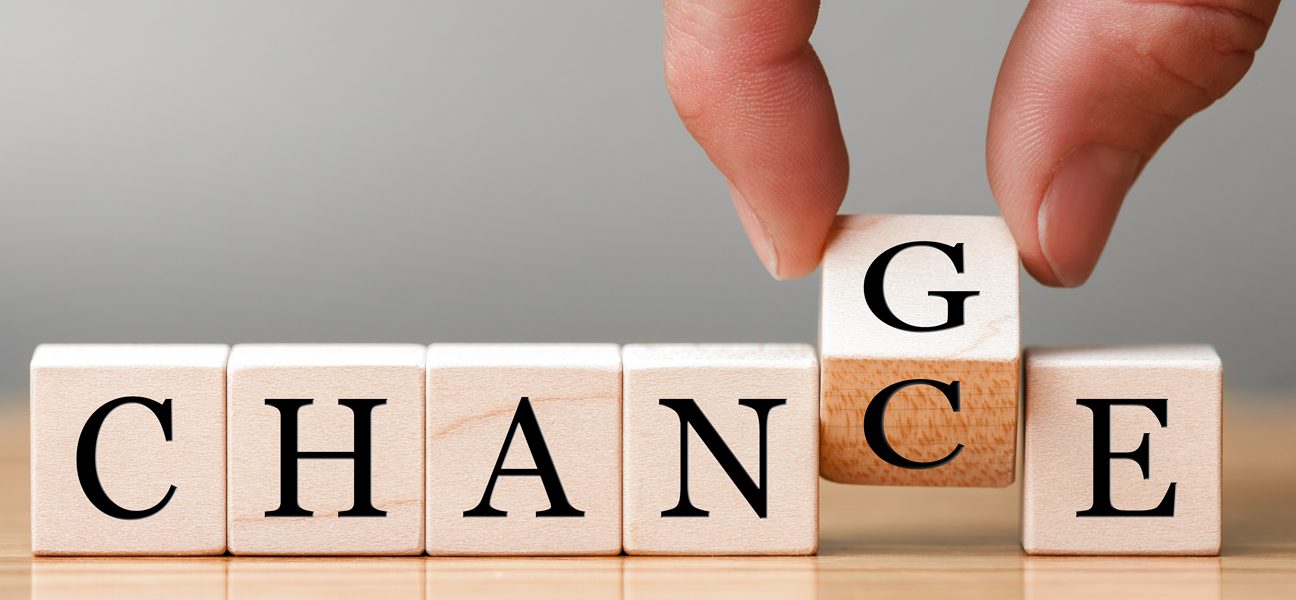
Financial Planning For Wealth Events
This Is Your Moment. Let's Make It Count.

Featured In




















Big transitions bring big questions. You might be selling your company, facing a liquidity event, changing your marital status or stepping into sudden wealth and you know the decisions you make now will shape your future for years. This is where we shine.
At Chesapeake, we specialize in moments like these. Not because we have a crystal ball—but because we’ve helped dozens of smart, successful people like you navigate pivotal change with confidence and precision.
We won’t give you a cookie cutter plan or throw jargon your way. We’ll help you slow down, zoom out, and put every dollar to work for the life you actually want. Let’s make your next move the right one.

He helped me consolidate several accounts into one manageable asset. He took the guesswork out of what could have been a complicated process.
I trust him to be there and guide me through issues in which I have no expertise. But he does this all the time and has proven to be trustworthy.
I do recommend Mr. Judge. You will not be disappointed.


Wealth Events
Switching Jobs
You’ve Changed Jobs. Let’s Make Sure Your Money Keeps Up.Inheritence
Sudden Wealth, Complex Emotions. Smart Moves Start Here.Marriage
Financial partnership for your biggest partnership yet.Divorce
This Isn’t Starting Over. It’s Taking Control.Sale of Business
Selling Was Just Step One.Stock Options
You worked hard for this moment. Don’t let taxes or timing steal it.Lump Sum
You’ve Got One Shot to Get This Right. Let’s Make Sure You Do.Windfall
Sudden Wealth? Let’s Turn This Moment into a Life Well Lived.Frequently Asked Questions
Whether it's a new job, a layoff, a health scare, a divorce, or an unexpected windfall—big life changes create both risk and opportunity.
Here's how we help clients respond with clarity, not panic:
- Pause and take stock
Don't make rushed financial moves. First, we help you get clear on what's changed, what's urgent, and what can wait.
- Update your cash flow plan
Income, expenses, or priorities likely shifted. We rebuild your budget and savings plan to fit the new reality.
- Revisit your goals and timeline
A new path may call for a new strategy. We adjust your investment plan, retirement target, or debt repayment accordingly.
- Review insurance and legal documentation
Life changes often affect what (and who) needs protection. We review your coverage, estate documents, and beneficiaries.
- Understand the tax impact
From layoffs to lump sums, sudden events often bring tax surprises. We help you prepare—and avoid mistakes.
- Build (or rebuild) your financial buffer
We prioritize emergency reserves and flexible investment strategies so you feel more financially prepared moving forward.
At Chesapeake, we're not just here for the sunny days—we're here when life turns unexpectedly. Your plan is designed to adapt with you.
A windfall—whether from an inheritance, stock payout, business sale, or legal settlement—can change your life. But without a plan, it can just as easily disappear.
Here's how we help clients avoid common missteps:
- Don't rush decisions
The biggest mistake is acting too fast. We help you pause, park the money safely, and take time to make thoughtful choices.
- Avoid lifestyle creep
It's tempting to upgrade everything—but we help you build a plan that balances short-term enjoyment with long-term impact.
- Build (or replenish) your financial foundation
Emergency fund, debt payoff, insurance, and estate plan—we make sure your windfall strengthens the basics first.
- Plan for taxes
Depending on the source, your windfall could carry significant tax consequences. We coordinate with your CPA to avoid surprises.
- Align it with your goals
Whether you want to retire early, start a business, travel more, or support family—we build a strategy that reflects what really matters to you.
- Create a sustainable investment plan
We help you invest the windfall based on your risk comfort, timeline, and future needs—not just market hype or headlines.
A windfall is a meaningful opportunity—but it requires thoughtful planning.
Major transitions—like divorce, the loss of a loved one, career change, or retirement—can leave you feeling overwhelmed and uncertain about your financial position. The key is to stabilize first, plan second.
Here's how we help clients address what matters during uncertain times:
- Stabilize your cash flow
We make sure you have enough liquidity to cover immediate needs while reducing the risk of making hasty investment or withdrawal decisions.
- Pause big financial moves
Unless urgent, we hit the brakes on large purchases, investments, or life-altering decisions until you've had time to process and plan.
- Review risk management
We review your insurance (health, life, disability, property) and legal documents (POA, will, trusts) to make sure your safety net is solid.
- Organize and simplify
We help you consolidate accounts, review beneficiary designations, and clarify what's truly in your control—so nothing falls through the cracks.
- Create breathing room
Whether through temporary budgeting shifts or updated investment allocations, we help reduce financial stress while you adjust to the change.
- Rebuild with intention
Once things stabilize, we update your financial plan to reflect your new priorities, timeline, and goals—so you can move forward with clarity and confidence.
At Chesapeake, we meet you where you are—with empathy, structure, and clear next steps.
Maybe—but not always right away.
Life events like a new job, marriage, divorce, loss, inheritance, or retirement can change your financial landscape—but that doesn't mean your investments need an immediate overhaul.
Here's how we guide clients through it:
- Pause before reacting
Emotional decisions often lead to poor outcomes. We help you stabilize your cash flow first and then evaluate your investments with a clear head.
- Reassess your goals and timeline
A major life shift might move your priorities. We revisit your short-, mid-, and long-term goals—and make sure your portfolio reflects them.
- Review risk tolerance and capacity
You may feel more (or less) comfortable with market risk now. We align your investments with both your mindset and your financial reality.
- Adjust for new income, expenses, or liquidity needs
If your cash flow changed, your investment plan should support—not stress—your lifestyle.
- Coordinate with your tax and estate plan
Especially after windfalls, inheritances, or family changes, thoughtful repositioning can help manage costs long term.
At Chesapeake, we don't just manage portfolios—we align your investments with your life. Transitions don't always require drastic moves—just thoughtful, strategic ones.
An inheritance can be both a gift and a responsibility. The smartest move? Pause, plan, and consider your options.
Here's how we help clients handle inheritance money with clarity and intention:
- Take a breath before making big moves
Emotionally charged decisions—especially after a loss—can lead to mistakes. We help you park the funds safely while you process.
- Understand what you've inherited
Is it cash, investments, real estate, retirement accounts, or a business? Each has different tax rules, timelines, and risks. We decode it for you.
- Plan for taxes
While most inheritances aren't taxed outright, some assets (like IRAs or appreciated stock) can trigger taxes if handled incorrectly. We help minimize the impact.
- Align with your personal goals
Whether you want to pay off debt, invest, support family, or give back—we help create a plan that reflects your values and builds long-term financial strength.
- Review your own estate plan
An inheritance is an appropriate time to update your beneficiaries, will, trusts, and insurance—so your own legacy is addressed.
- Avoid lifestyle inflation
Sudden wealth can disappear quickly without a plan. We help you find the right balance between honoring the gift and planning for your future.
At Chesapeake, we specialize in turning inherited wealth into intentional wealth—with clarity, stewardship, and thoughtful planning.
Windfalls—like inheritances, stock payouts, business sales, or legal settlements—can be life-changing. But without a plan, they can create challenges for your long-term objectives.
Here's how we help clients manage newfound wealth:
- Pause before making big decisions
One of the most powerful things you can do is nothing—at first. We help you set aside the funds safely and give yourself time to think clearly.
- Separate emotion from action
Windfalls often follow emotional events (like loss or achievement). We help you process the moment before making permanent financial moves.
- Create a plan before you spend
What does this money need to do for you? We prioritize financial stability first—then build a strategy for legacy, lifestyle, and growth.
- Manage taxes proactively
Many windfalls come with hidden tax liabilities. We work with your CPA to avoid surprises and optimize your timing.
- Avoid lifestyle inflation
We help you enjoy your windfall without turning it into a permanent lifestyle shift that's hard to sustain later.
- Align it with your bigger goals
A windfall can accelerate early retirement, career changes, giving, or generational planning—if it's handled with intention.
At Chesapeake, we help you incorporate new resources into your long-term plan—so your windfall supports a strong foundation.
Whether it came from a bonus, inheritance, business sale, or equity event, the smartest first step is to pause and make a plan—not a purchase.
Here's how we help clients navigate a sudden cash influx:
- Park it in a safe place first
Keep the money in a high-yield savings or short-term account until you've had time to think clearly. This creates breathing room and avoids rushed decisions.
- Clarify the purpose of the money
Is this money for freedom? Retirement? A home? Financial stability? Giving? Identifying its purpose helps direct your next move.
- Create a spending and investing strategy
We help you prioritize—like paying off debt, boosting emergency reserves, investing for long-term goals, or funding short-term dreams.
- Minimize tax mistakes
If the money came from a taxable event (like selling stock or a business), we coordinate with your CPA to manage the impact now—and later.
- Review your financial documentation
Review your insurance, estate plan, and financial arrangements to ensure this new wealth is aligned with your life plan.
- Avoid lifestyle whiplash
A big windfall can change your circumstances—but it doesn't have to change your values. We help you spend intentionally, not reactively.
At Chesapeake, we help you develop a strategy for new money—with a plan that matches your priorities, not just your bank balance.
Don't spend—pause. The very first step is to create space between the windfall and your next move.
Here's what we recommend right away:
- Place the funds appropriately
Move the money into a high-yield savings or short-term cash account. This gives you access and breathing room.
- Resist the urge to act immediately
Whether you're feeling excited, anxious, or overwhelmed—reactive decisions can lead to regret. Pausing gives you clarity.
- Start asking the right questions
What's the money for? What do you need it to do for you—short term and long term? That's where real clarity begins.
- Check for tax consequences
Before gifting, investing, or paying off big debts, understand how the money is taxed. We coordinate with your CPA to avoid expensive surprises.
- Schedule a strategy session
At Chesapeake, we help clients develop a clear, aligned plan—based on what they value, not what others expect.
As soon as the dust starts to settle—but before big financial decisions are made.
Major life changes—like a job shift, inheritance, divorce, retirement, loss, or business exit—can leave you feeling uncertain, overwhelmed, or in uncharted territory. That's exactly when guidance matters most.
Here's when clients typically reach out to us:
- They've received unexpected money and want to use it wisely (not impulsively)
- They're facing new decisions—like selling assets, moving, or changing careers
- They're unsure how their future goals are impacted by the event
- They need a thinking partner and steady guidance during an emotional or high-stakes moment
- They want to avoid mistakes that could impact them later—financially or emotionally
At Chesapeake, we're not here to just invest your money—we're here to help you make intentional, well-timed decisions when the stakes are high and the path is unclear.
Yes—this is when a qualified financial planner becomes most valuable.
Major transitions—like retirement, job changes, inheritance, divorce, loss, or selling a business—don't just impact your finances. They reshape your life.
At Chesapeake, we help you navigate those changes with clarity and confidence. Here's how:
- We pause before action
We help you slow down, take stock, and avoid rushed decisions that could create long-term setbacks.
- We bring order to complexity
From consolidating accounts to clarifying new goals, we help you get organized and grounded.
- We adjust your plan to your new reality
What worked before may not serve you now. We rebuild your cash flow, investments, and priorities to match your life today.
- We help review what matters
Insurance, estate plans, and risk management often need a fresh look after a transition. We make sure nothing is overlooked.
- We're your thinking partner
Transitions are emotional. We help take the pressure off by offering well documented, empathetic guidance at every step.
You don't have to figure it all out alone.
Big life shifts often bring big emotions—and that's when costly financial mistakes tend to happen. At Chesapeake, we've seen patterns, and we help clients avoid them.
Here are some of the most common:
- Making major decisions too quickly
Selling a house, moving money, or quitting a job without a plan can lead to long-term regret. We help you pause and prioritize.
- Ignoring taxes
Inheritances, business sales, and equity events can trigger surprise tax bills. We coordinate with your CPA so nothing slips through the cracks.
- Lifestyle inflation after a windfall
A sudden boost in wealth can lead to overspending if there's no strategy in place. We help you balance enjoying now with planning for later.
- Neglecting insurance or estate updates
Marriage, divorce, new children, or loss of a spouse all require fresh documentation and review. We handle the details.
- Not adjusting the investment plan
Your old strategy may not fit your new life. We realign your portfolio based on changed income, risk tolerance, or time horizon.
- Trying to "go it alone" during emotional times
Transitions are overwhelming. A financial partner can help you make grounded, thoughtful choices when it matters most.
You don't have to be perfect—you just need a plan.
*Advisors are only obligated to apply the fiduciary standard in advisory relationships. They are not legally obligated to apply the fiduciary standard when working in Brokerage only relationships
**Mark Rossbach is the only advisor who has attained the RICP and CPA Designations and Jeff Judge is the only advisor who has attained the CFP, ChFC and CLU Designations