
What Risk Does a Personal Guarantee Create for Business Owners?
Last reviewed: July 2026
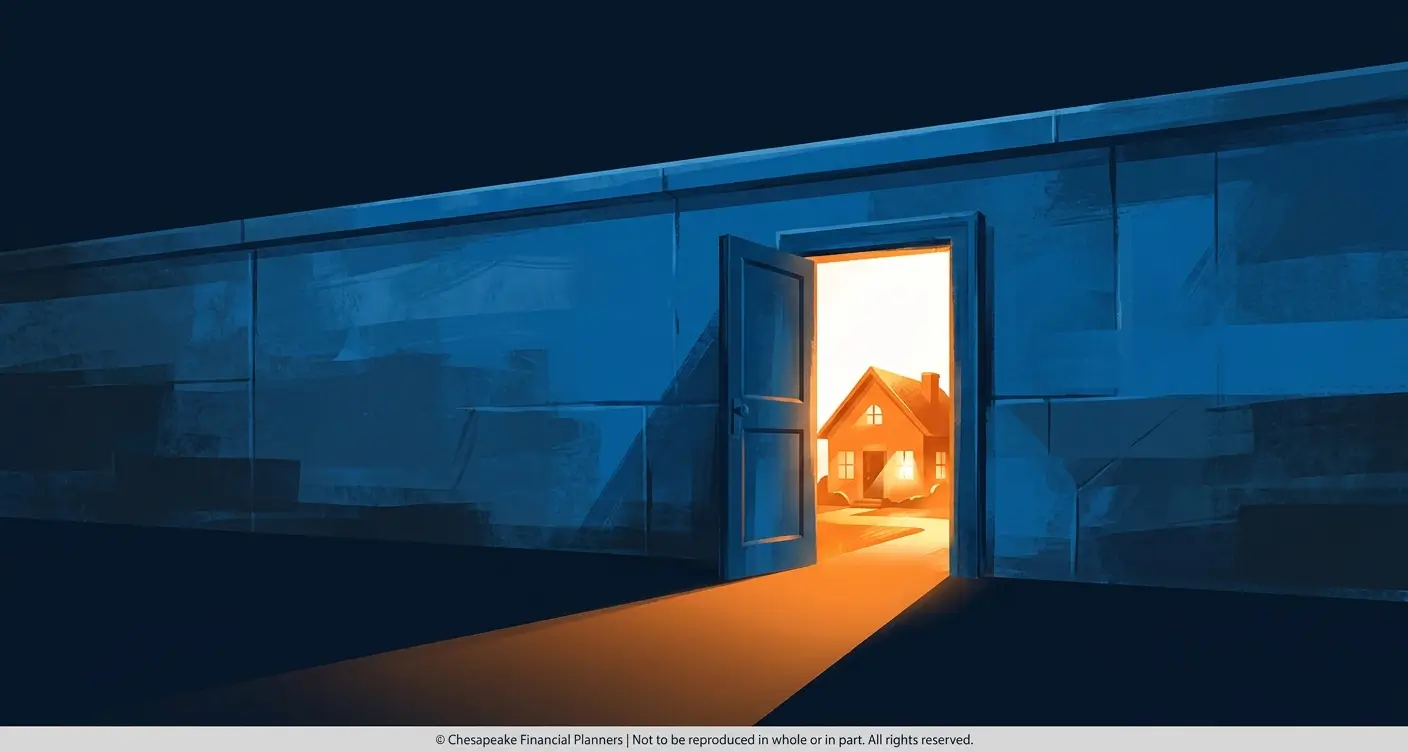
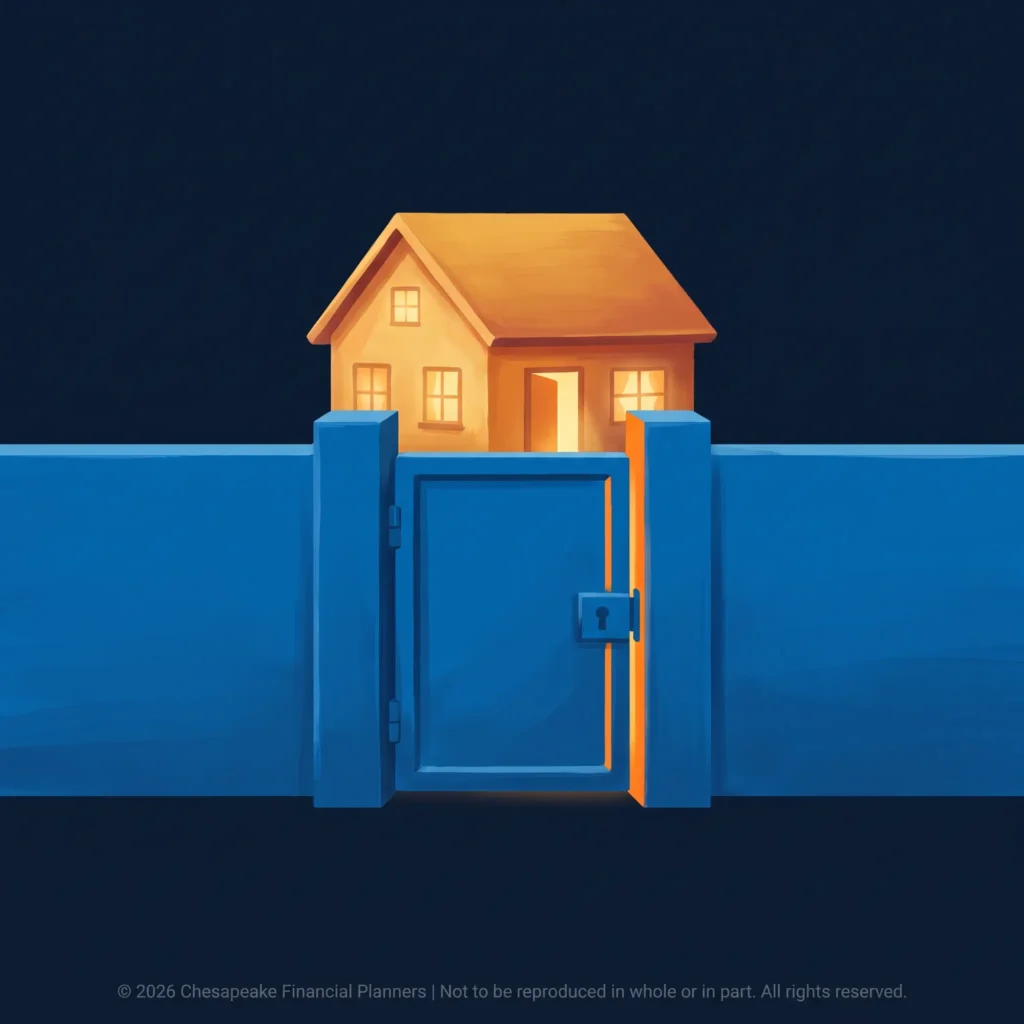
A personal guarantee is the fine print that quietly ties your house to your company's debt, and it is the single most common source of hidden personal guarantee business owner risk we see at the planning table. Most owners assume their LLC or corporation walls off their personal money from the business. For one specific debt, a personal guarantee cuts a hole in that wall. Sign it, and if the business cannot pay, the lender can pursue you personally, not just the company.
Key Takeaways
- A personal guarantee makes you personally liable for a business debt, so a lender can pursue your home and savings if the company defaults.
- The U.S. Small Business Administration requires any owner of 20% or more to sign an unlimited personal guaranty on its loans.
- Only 34.7% of establishments born in 2013 were still operating a decade later, so default risk across a loan's life is real, not remote.
- Key-person risk and a personal guarantee compound each other; sizing coverage to the guaranteed debt turns an open-ended exposure into a managed one.
About the Author: Jeff Judge, CFP®, AEP®, ChFC®, CLU® is Managing Partner of Chesapeake Financial Planners in Forest Hill, Maryland. He has been helping families and business owners in Harford County and the Baltimore metro area navigate business risk and succession planning since earning his CFP® certification in 2013, by using Chesapeake's signature process, the R.U.D.D.E.R. Method™. "The guarantee an owner forgets they signed is usually the one that hurts the most, because nobody planned for it," Jeff says.
What Is a Personal Guarantee, and Why Do So Many Owners Sign One Without Noticing?
A personal guarantee is a written promise that makes you personally responsible for a business debt if the company cannot pay it. It is standard on term loans, lines of credit, equipment financing, and commercial leases. Lenders ask for it because it gives them a second source of repayment. If the business account runs dry, they can look to your personal assets instead.
The U.S. Small Business Administration is direct about this: individuals who own 20% or more of a small business applicant must provide an unlimited personal guaranty on its loans. That is not a niche rule. It covers the 7(a) and 504 programs that fund a large share of Main Street businesses, including plenty here in Harford County.
The reason this exposure hides is simple. Signing feels routine. The guarantee is often one page inside a thick closing stack, sitting next to a dozen other signatures you provide in a single sitting. You are focused on getting the capital, not on the sentence that quietly carves a hole through your entity's liability protection for that one debt.
Does an LLC or corporation shield me from a loan I personally guaranteed? No. The entity still limits your exposure to ordinary business liabilities, such as a vendor dispute or a slip-and-fall claim. A personal guarantee is different. You voluntarily stepped outside the entity and pledged yourself as a backstop for that specific loan, so the lender can reach your personal assets for it regardless of the LLC.
How Does a Personal Guarantee Compound the Risk You Already Carry?
For many owners, the business is already the majority of their net worth. Years of reinvested profit sit inside the company rather than in a diversified portfolio, which is its own business equity concentration risk. A personal guarantee then pledges the assets that sit outside the business, the home and the savings, to the business's debts. Add a building lease signed in the owner's name and revenue that depends on the owner showing up, and a single life is carrying the whole structure.
"Jeff Judge describes this as betting the house on the business twice, once by putting your net worth into it and again by pledging your personal assets behind its loans."
This is why the odds matter. Federal data shows that only 34.7% of private-sector establishments born in March 2013 were still operating ten years later. A guarantee you sign in year one can outlive the conditions that made the loan feel safe.

What Is Key-Person Risk, and How Does It Combine With a Personal Guarantee?
Key-person risk runs the other direction. It is the exposure that comes from the business depending on one person: the relationships, the institutional knowledge, the decisions that only the owner makes. If that person is suddenly out through death or a serious disability, the business can stall, lose customers, and lose value fast. Sizing and addressing that dependence is what key person insurance is built to do, yet many owners have never put a number on it. Broader underinsurance is well documented: LIMRA reports that about half of U.S. adults have life insurance and that roughly 50 million middle-income adults acknowledge a coverage gap.
Now put the two exposures together, because that is where the real danger lives. Picture an owner who personally guaranteed a loan and is also the primary revenue driver. If that owner dies or becomes disabled, revenue falls, the business struggles to service the loan, and the lender turns to the estate under the guarantee. The family is left holding a devalued business and a debt they personally owe, at the exact moment they lost their main income. A buy-sell agreement with disability and death triggers is one tool co-owned businesses use to keep that chain from starting.
What happens to a personal guarantee if the owner dies? The obligation does not disappear. It typically becomes a claim against the owner's estate, which means the assets meant for the family can be pulled toward the lender first. This is why the guarantee and the owner's role must be planned together, not separately.
The encouraging news is that key-person risk is one of the more addressable, predictable exposures a business faces. The tools to fund it exist, but they have to be put in place while the owner is healthy and the business is stable. Waiting until a diagnosis or a downturn usually means the options have already narrowed.
What Could This Hidden Risk Look Like in Real Numbers?
Consider an illustration, not a promise or a prediction. Say an owner has built a business worth around $3 million, which is most of the family's net worth, plus roughly $1 million in a home and savings held outside the company. To fund growth, the owner signed a personally guaranteed $750,000 line of credit, and the owner is the primary source of revenue.
| Item | Approximate amount |
|---|---|
| Business value (most of net worth) | $3 million |
| Home and savings outside the business | $1 million |
| Personally guaranteed line of credit | $750,000 |
| Primary revenue source | The owner |
Now a serious health event takes the owner out of the business. Revenue drops, payments are missed, and under the guarantee the lender can reach the roughly $1 million of personal assets to satisfy the $750,000 debt, right when the family has lost its main income. Change one input and the outcome shifts. If key-person coverage had been put in place and sized to the guaranteed debt, the liquidity from that coverage could be used to cover or retire the loan, and the personal assets could stay where they belong, with the family. Same business, same guarantee, a very different ending for the people who depend on it.
How Can Business Owners Turn This Hidden Risk Into a Managed One?
Entity structure and titling are part of the defense, not an afterthought. A well-maintained entity still limits your other liabilities, but commingling business and personal funds, skipping corporate formalities, or signing personally where you did not have to can all weaken it. How assets are titled between spouses, or held in a properly structured trust, affects what a creditor can reach, and it varies meaningfully by state. This is not a do-it-yourself project.
That state-by-state point lands close to home for the closely held business owners we work with around Bel Air, Forest Hill, and the wider Baltimore metro. Maryland recognizes tenancy by the entirety, a form of joint ownership available only to married couples. Under the Maryland People's Law Library, property a married couple holds this way carries a presumption of entireties ownership, and a creditor of only one spouse generally cannot reach it to satisfy that spouse's separate debt. It is not a cure-all. It does not shield against debts both spouses guaranteed or jointly owe, which is exactly why a business loan both spouses sign changes the picture. An attorney should map it to your facts.
From there, the work is methodical. The steps most owners can take look like this:
- Inventory every personal guarantee and every personal attachment to a business obligation, including leases and vehicle loans.
- Negotiate, release, or cap guarantees as the business strengthens or the balance is paid down; lenders reassess more often than owners ask.
- Put appropriately structured life and disability coverage in place, sized to both the guaranteed debt and the owner's role in the business.
- Coordinate the lender, attorney, insurance professional, and financial advisor so every party is planning around the same risk rather than a piece of it.
That coordination is the whole idea behind our process. The R.U.D.D.E.R. Method™ is Chesapeake Financial Planners' six-step planning process: Review and Recognize, Uncover and Understand, Design and Develop, Discuss and Decide, Execute and Empower, and Reassess and Refine. In practice, the guarantees surface during Uncover and Understand, when we read the actual loan documents rather than trust a summary. The single most common thing I see is an owner who can describe their revenue to the dollar but has never once totaled what they have personally guaranteed. Guarantee risk is one thread inside broader financial planning for business owners, and it deserves the same annual attention as cash flow. Mapping the guarantees, sizing the key-person exposure, and putting protection in place turns a hidden, open-ended risk into a known and managed one. That is the difference between hoping the worst never happens and having a plan for the day it might.
Frequently Asked Questions
What is a personal guarantee on a business loan?
A personal guarantee is a written commitment that makes a business owner personally responsible for repaying a company debt if the business cannot. Lenders use it as a second source of repayment on loans, lines of credit, equipment financing, and commercial leases, which lets them pursue personal assets after business assets are exhausted.
Can a lender really take my home over a business debt?
Potentially, yes, if you signed a personal guarantee and the business defaults. The guarantee lets the lender pursue your personal assets, which can include home equity, though what a creditor can actually reach depends on how the property is titled and on your state's laws. An attorney can assess your specific situation before you assume you are protected.
Can I get a business loan without signing a personal guarantee?
Sometimes, but it is uncommon for smaller or younger businesses. Lenders relax the requirement mainly for companies with strong balance sheets, long track records, or substantial collateral. On SBA loans, any owner of 20% or more is generally required to guarantee, so negotiating a release usually happens later, as the business matures and the loan balance falls.
How does key person insurance help if I have a guaranteed loan?
Key person insurance provides liquidity if the owner or another essential person dies or, in some designs, becomes disabled. Sized to the guaranteed debt, that liquidity can be used to cover or retire the loan so the lender is not forced to pursue personal assets. It buys the business and the family time to make decisions instead of forced ones.
Can a personal guarantee be removed or reduced over time?
Often, yes, but it rarely happens automatically. As a business builds equity, cash flow, and collateral, an owner can ask the lender to cap the guarantee, release a spouse, or remove it entirely when refinancing. Lenders will not volunteer this, so it belongs on your annual review checklist alongside your insurance and estate documents.
Do both spouses have to sign a personal guarantee?
It depends on the lender and the ownership structure. When both spouses sign, the debt becomes a joint obligation, which can undercut protections like Maryland's tenancy by the entirety that otherwise apply to a debt of only one spouse. Because that choice affects what creditors can reach, review it with an attorney before both signatures go on the page.
Ready to Map What You Have Personally Guaranteed?
If you own a business and have never totaled your personal guarantees or sized your key-person exposure, that is the conversation worth having now, while you still have options. Schedule a conversation with Chesapeake Financial Planners and we will walk through your guarantees, your entity structure, and the protection that fits your situation, so your personal guarantee business owner risk becomes something you manage on purpose rather than discover by accident.
A version of this article was originally published on Chesapeake Financial Planners' LinkedIn.
Disclosures
The information provided is for educational purposes only and should not be construed as investment advice. Investment strategies should be tailored to individual circumstances, risk tolerance, and goals. Past performance doesn't guarantee future results. Consult with qualified financial professionals regarding your specific situation.
This material is for educational purposes only. Insurance products contain exclusions, limitations, and terms for keeping them in force. Please contact a qualified insurance professional for costs and complete details.
Advisors associated with Chesapeake Financial Planners may be either (1) LPL Financial Registered Representatives offering securities through LPL Financial, Member FINRA and SIPC, and investment advisor representatives offering investment advice through Great Valley Advisor Group; or (2) solely investment advisor representatives offering investment advice through Great Valley Advisor Group and not affiliated with LPL Financial. Great Valley Advisor Group, and Chesapeake Financial Planners are separate entities from LPL Financial.
Chesapeake Financial Planners | 2402 Scotlon Ct, Forest Hill, MD 21050 | (410) 652-7868 | www.chesapeakefp.com
© 2026 Chesapeake Financial Planners | Not to be reproduced in whole or in part. All rights reserved.


