

You've chosen the lump sum option instead of monthly pension payments. It's now sitting in your IRA or investment account, funding your retirement. But here's a question that doesn't get asked enough: What happens to that money if you die?
The answer depends on how you've structured the account, who you've named as beneficiaries, and whether you've done any planning. Get it right, and your loved ones receive the remaining assets with minimal hassle and tax efficiency. Get it wrong, and they could face unnecessary taxes, delays, or family conflict.
What Happens to Different Types of Accounts
If Your Lump Sum is in an IRA
Most people roll their pension lump sum into a traditional IRA or 401(k). When you die, the remaining IRA balance passes to your named beneficiaries directly, outside of probate.
The good news: Your beneficiaries inherit whatever's left. Unlike a pension's monthly payments that end at death (unless you chose a survivor option), a lump sum in an IRA preserves wealth for heirs.
The tax implications: Beneficiaries must pay income tax on distributions from inherited traditional IRAs. Under current rules, most non-spouse beneficiaries must withdraw the entire account within 10 years, potentially creating significant tax bills.
If Your Lump Sum is in a Taxable Brokerage Account
Some people deposit their pension lump sum into a regular investment account (not an IRA). When you die:
The good news: Beneficiaries receive a "step-up in basis," meaning they inherit the assets at their current market value. Any appreciation during your lifetime is never taxed.
Example: You invested a $500,000 lump sum that grew to $800,000. Your beneficiaries inherit it at $800,000 with no capital gains tax on the $300,000 growth.
The potential complication: If you don't have proper beneficiary designations or the account is titled incorrectly, it may pass through your estate and probate, creating delays and costs.
If Your Lump Sum is Still in Your Employer's 401(k)
Some retirees leave their lump sum in their former employer's 401(k) plan rather than rolling it over. When you die, the plan's distribution rules apply.
Most plans pay out to beneficiaries relatively quickly, but plan rules vary. Some may require a lump sum distribution to heirs (rather than allowing them to stretch distributions), which can create immediate tax consequences.
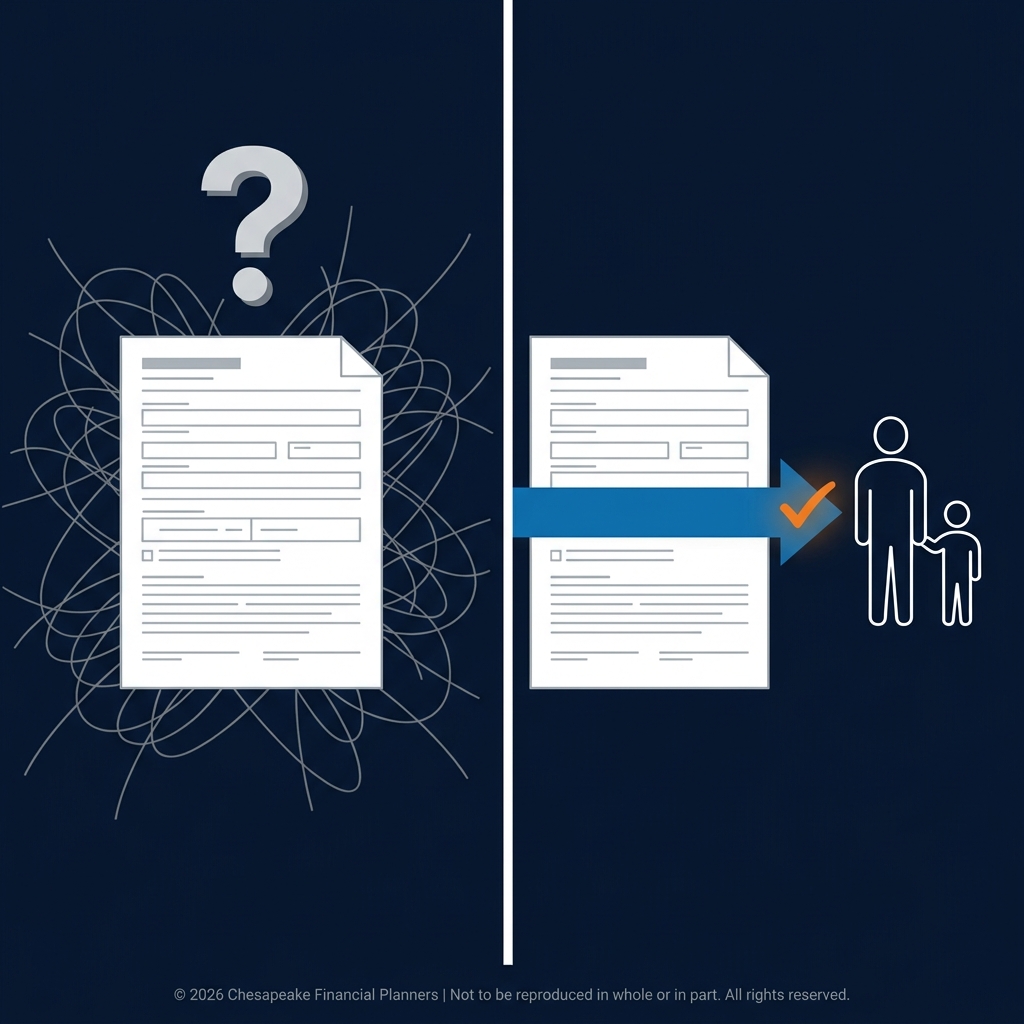
Spousal Beneficiaries: Special Options
If your spouse is your primary beneficiary, they have more flexibility than other beneficiaries:
Option 1: Spousal Rollover
Your spouse can roll your IRA into their own IRA, treating it as if it were theirs all along. This allows them to delay required minimum distributions (RMDs) until their own RMD age (73-75, depending on birth year).
Best for younger spouses who don't need immediate income.
Option 2: Inherited IRA
Your spouse can keep it as an inherited IRA and take distributions based on their life expectancy. This allows access before age 59½ without the 10% early withdrawal penalty.
Best for younger spouses who need income immediately.
Option 3: Disclaim
In rare cases, your spouse might disclaim (refuse) the inheritance, allowing it to pass to contingent beneficiaries. This is sometimes done for tax or estate planning reasons when the surviving spouse has sufficient assets.
Non-Spouse Beneficiaries: The 10-Year Rule
Adult children, siblings, friends, or other non-spouse beneficiaries generally must withdraw your entire IRA within 10 years of your death under the SECURE Act rules.
This accelerated timeline creates tax planning challenges:
If they're in high-income years: Large IRA distributions on top of their salary push them into higher tax brackets.
If they're in lower-income years: They have opportunity to take larger distributions at lower rates.
Smart beneficiaries spread distributions over the 10 years to manage tax brackets. Uninformed beneficiaries wait until year 10 and face a massive tax bill.
What If You Don't Name Beneficiaries?
This is where things get messy.
If you die without naming beneficiaries (or your named beneficiaries predecease you without updates):
IRAs: Most IRA custodians have default beneficiary rules (typically your estate, then your spouse, then descendants). But this varies by custodian and may not match your wishes.
Taxable accounts: These pass through your will or, if you have no will, through your state's intestacy laws. This means probate—public process, attorney fees, and months of delays.
401(k) plans: Federal law requires your spouse to be the beneficiary unless they signed a written waiver. If you're not married, the plan's default rules apply.
Bottom line: Not naming beneficiaries can cost your heirs months of delays and thousands in unnecessary fees.
Estate Tax Considerations
For most people, estate taxes aren't a concern. The federal estate tax exemption is $15 million per individual in 2026 (indexed for inflation).
But if your estate—including your pension lump sum, home, investments, and life insurance—exceeds this threshold, estate taxes of 40% apply to the excess.
Some states also have estate or inheritance taxes with lower thresholds. Maryland, for example, has both.
If estate taxes are a concern, advanced planning strategies (trusts, gifting, life insurance) can help.
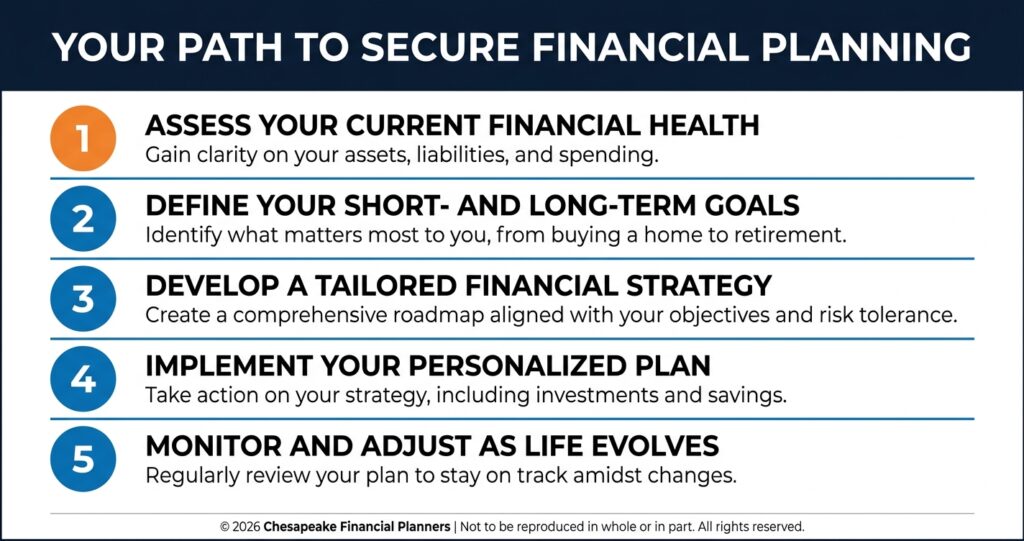
Strategies to Protect Your Heirs
Strategy 1: Review and Update Beneficiaries Regularly
After major life events (marriage, divorce, birth of children, death of a beneficiary), review your beneficiary designations. Many people forget to update after a divorce, accidentally leaving assets to an ex-spouse.
Important: Beneficiary designations override your will. Even if your will says everything goes to your children, if your ex-spouse is still named on your IRA, they get it.
Strategy 2: Name Contingent Beneficiaries
Don't just name a primary beneficiary. Name contingent (backup) beneficiaries in case your primary beneficiary predeceases you.
Example: Primary: Spouse. Contingent: Your three children equally.
Strategy 3: Consider Roth Conversions
Converting your traditional IRA to a Roth IRA during your lifetime means your beneficiaries inherit tax-free money. You pay the tax now (potentially at lower rates), and they receive distributions tax-free (though still subject to the 10-year rule).
This is especially valuable if your heirs are in high tax brackets.
Strategy 4: Use Trusts for Complex Situations
Trusts make sense when:
- You have minor children (a trust can manage money until they're mature enough)
- You have a spendthrift heir who might blow through the inheritance
- You have a blended family and want to provide for a spouse while ensuring children from a prior marriage eventually inherit
- You want to protect inherited assets from heirs' creditors or divorcing spouses
Trusts as beneficiaries are complex and require specialized estate planning. The wrong trust structure can trigger accelerated taxation.
Strategy 5: Life Insurance for Wealth Replacement
If you're spending down your lump sum in retirement and worry about leaving less to heirs, life insurance can "replace" the wealth. The death benefit is income-tax-free and can provide liquidity for estate taxes or equalize inheritances among children.
Communication is Key
Your heirs need to know:
- Where your accounts are located
- Who to contact at financial institutions
- That they're named as beneficiaries
- Basic tax implications (10-year rule, RMDs, etc.)
- Not to make hasty decisions immediately after your death
Consider creating a "financial inventory" document listing all accounts, beneficiaries, and advisor contacts. Keep it updated and store it where your executor can find it.
Common Mistakes
Naming minor children directly: Minors can't legally inherit. The court will appoint a guardian, creating delays and costs. Use a trust instead.
Forgetting about ex-spouses: Divorce doesn't automatically remove an ex-spouse as beneficiary. You must update it.
Naming your estate: This forces the IRA through probate and eliminates the stretch option for heirs.
Unequal treatment without explanation: If you leave different amounts to different children, communicate why during your lifetime to avoid hurt feelings and conflict.
The Bottom Line
One of the biggest advantages of choosing a pension lump sum over monthly payments is that remaining assets pass to your heirs. But that advantage is only realized if you do proper planning.
Name your beneficiaries. Update them regularly. Consider tax implications. Communicate with your family. And work with an estate planning attorney if your situation is complex.
Your pension lump sum represented decades of your work. Make sure it supports your loved ones the way you intend—not the way state laws or IRS default rules dictate.
This information is for educational purposes only and should not be considered legal, tax, or estate planning advice. Beneficiary designations and estate planning involve complex legal and tax issues. Consult with qualified estate planning attorneys and tax advisors.
Advisors associated with Chesapeake Financial Planners may be either (1) LPL Financial Registered Representatives offering securities through LPL Financial, Member FINRA and SIPC, and investment advisor representatives offering investment advice through Great Valley Advisor Group; or (2) solely investment advisor representatives offering investment advice through Great Valley Advisor Group and not affiliated with LPL Financial. Great Valley Advisor Group, and Chesapeake Financial Planners are separate entities from LPL Financial.
Chesapeake Financial Planners | 2402 Scotlon Ct, Forest Hill, MD 21050 | (410) 652-7868 | www.chesapeakefp.com
© 2026 Chesapeake Financial Planners | Not to be reproduced in whole or in part. All rights reserved.


