
You just won the lottery. The numbers hit. The money is real. And now, one of the first thoughts that crosses your mind: I can finally afford the house I've always wanted.
It's a natural reaction. For most people, housing represents security, status, and comfort. And when you suddenly have access to wealth you never had before, the urge to upgrade is powerful.
But here's the thing: the house you buy in the first year after winning the lottery can either set you up for long-term financial security, or quietly drain your windfall faster than you realize.
Why Housing Decisions After a Windfall Are Different
When you win the lottery, you're not just buying a house. You're making a decision that will affect your cash flow, taxes, maintenance costs, and lifestyle for years, possibly decades.
Unlike a steady paycheck that supports a mortgage payment, lottery winnings are a lump sum. Once it's spent, it's gone. And houses, especially expensive ones, have ongoing costs that can consume a surprising percentage of your wealth.
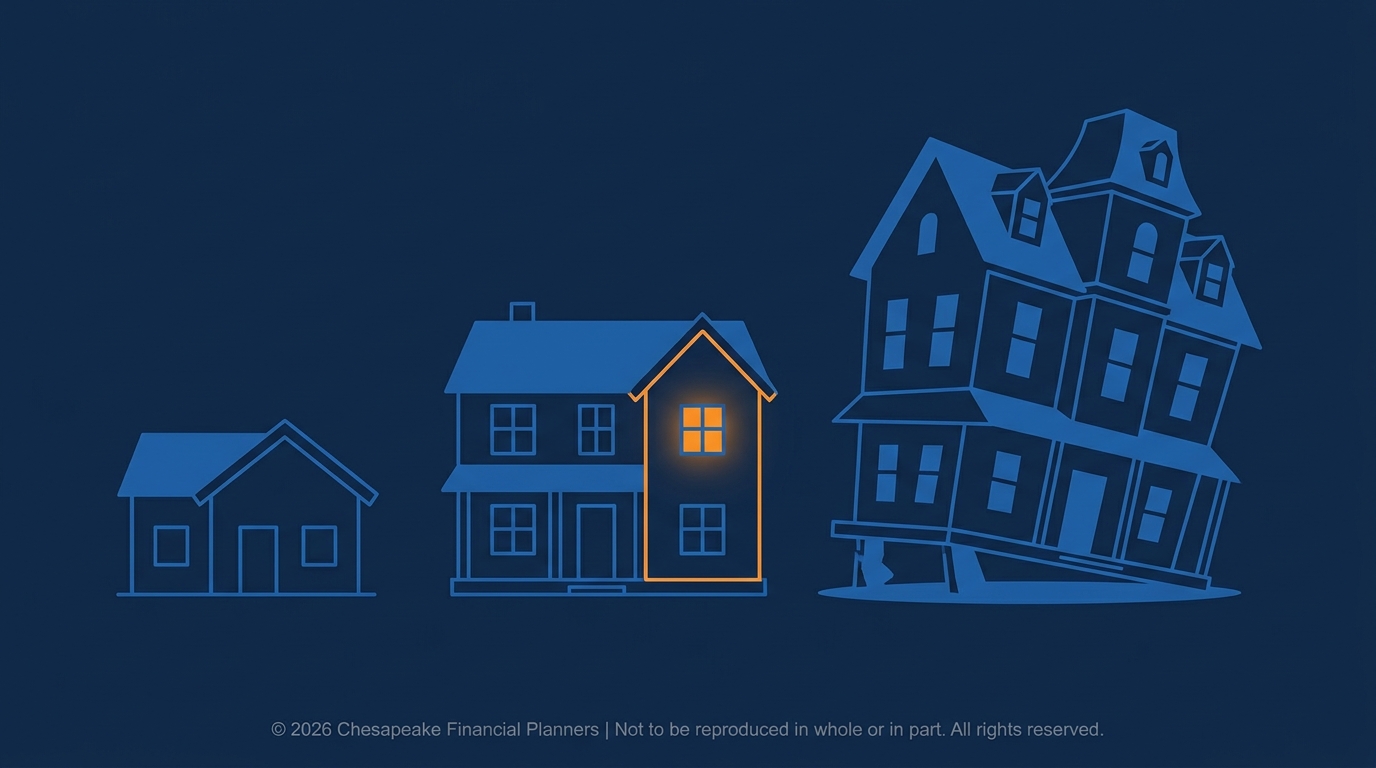
The mistake most lottery winners make isn't buying a house. It's buying too much house, too quickly, without understanding the full financial picture.
The Real Cost of Owning an Expensive Home
Let's say you win $5 million after taxes. You decide to buy a $2 million home outright. No mortgage, no debt. Sounds smart, right?
Here's what many people don't account for:
Property taxes.
Depending on where you live, property taxes on a $2 million home could run $20,000 to $50,000 per year, or more in high-tax states.
Insurance.
Homeowners insurance on a luxury property can easily cost $5,000 to $15,000 annually, and more if you're in a high-risk area for floods, wildfires, or hurricanes.
Maintenance and repairs.
A common rule of thumb is to budget 1-2% of the home's value annually for maintenance. On a $2 million home, that's $20,000 to $40,000 per year.
Utilities.
Heating, cooling, water, and electricity for a large home can run $1,000 to $3,000+ per month.
Staffing and services.
Larger homes often require landscaping, cleaning, pool maintenance, and security systems, adding thousands more per year.
Add it all up, and you could be spending $75,000 to $125,000 per year just to own the house. That's before furnishing it, renovating it, or enjoying it.
If you've tied up $2 million of your $5 million windfall in the house, you now have $3 million left—and you're spending a significant chunk of the income that money could generate just to maintain the property.
The 25% Rule (or Less)
A good guideline: your home should represent no more than 25% of your total net worth. And for lottery winners, we'd argue it should be closer to 15-20%, especially in the first few years.
Why? Because you need liquidity. You need flexibility. And you need your wealth working for you, not sitting in an illiquid asset that costs money to maintain.
If you've won $5 million after taxes, a home in the $750,000 to $1 million range leaves you with plenty of capital to invest, generate income, and weather unexpected expenses.
If you've won $20 million, sure—you can afford a $3 million home comfortably. But even then, going beyond $5 million starts to create the same cash flow pressure.
The Lifestyle Inflation Trap
Here's what happens with expensive homes: they create lifestyle inflation in every other area.
You buy a $2 million house. Now you feel pressure to furnish it with high-end furniture and decor. You host more parties. You hire staff. You drive a car that "matches" the house. Your social circle shifts to people who live in similar homes, and suddenly your spending baseline has quietly doubled.
This is how lottery winners go broke. Not from one big purchase, but from the cascading expenses that follow the first big purchase.
What to Do Instead
Wait.
You don't have to buy a house in the first six months. Rent a nice place while you figure out what you actually want and need. Give yourself time to adjust to your new financial reality.
Get advice.
Work with a financial advisor before you start house hunting. Model out the long-term costs and make sure the purchase fits into a broader financial plan.
Think about income.
If you buy a $1 million home instead of a $2 million home, you can invest the extra $1 million and generate $40,000 to $60,000 per year in income. That income can cover property taxes, insurance, and maintenance—without touching your principal.
Consider your actual needs.
A 6,000-square-foot house sounds amazing until you realize you're only using three rooms. Be honest about what you'll actually enjoy versus what sounds impressive.
Account for liquidity.
Keep enough liquid investments to generate income, cover emergencies, and avoid having to sell the house in a down market if something unexpected happens.

What If You've Already Bought Too Much House?
If you've already purchased a home and are now realizing the costs are higher than expected, you have options:
Sell and downsize.
It's not a failure. It's a smart financial adjustment.
Rent it out.
If the property can generate rental income, you might be able to offset some costs (though being a landlord comes with its own headaches).
Cut other expenses.
If the house is truly where you want to be, you may need to trim spending in other areas to make it sustainable.
The key is recognizing the problem early, before the house drains your wealth to the point where you're forced to sell at a loss.
The Bottom Line
Winning the lottery gives you options. And yes, buying a beautiful home can be one of them.
But the smartest lottery winners don't ask, "How much house can I afford?" They ask, "How much house do I need to live comfortably while keeping my wealth working for me?"
Those are two very different questions. And answering the second one is what separates people who stay wealthy from people who wonder where all the money went.
We help clients navigate these exact decisions—not just with housing, but with every major financial choice after a windfall. Because the goal isn't to spend the money. It's to build a life you love that lasts.
This material is for educational purposes only and should not be considered financial, tax, or legal advice. Lottery winnings and wealth management strategies vary based on individual circumstances. Consult with a qualified financial advisor before making major financial decisions.
Real estate values, costs, and tax treatment vary by location and individual situation. The examples provided are for illustrative purposes only and do not represent specific investment or purchasing recommendations.
Advisors associated with Chesapeake Financial Planners may be either (1) LPL Financial Registered Representatives offering securities through LPL Financial, Member FINRA and SIPC, and investment advisor representatives offering investment advice through Great Valley Advisor Group; or (2) solely investment advisor representatives offering investment advice through Great Valley Advisor Group and not affiliated with LPL Financial. Great Valley Advisor Group, and Chesapeake Financial Planners are separate entities from LPL Financial.
Chesapeake Financial Planners | 2402 Scotlon Ct, Forest Hill, MD 21050 | (410) 652-7868 | www.chesapeakefp.com
© 2026 Chesapeake Financial Planners | Not to be reproduced in whole or in part. All rights reserved.

